
Researching to Build Next-Generation Engineering
Engineering begins with a question about reality: what is needed, what conditions a solution must meet, and how it can be evaluated. Research turns that question into criteria for design.
A vision of the future can raise different research questions in each region. NUTUA can study them with its counterparts and assess possible responses using its own engineering criteria. This conversation continues in IMAGIA's vision for Q4 2026.
NUTUA sustains that knowledge base; GALANA takes it toward engineering proposals, design, and prototypes. Other holdings and organizations may participate in integration or distribution according to each project's scope.
Researchers, engineering professionals, designers, and implementation teams need a shared language for reviewing results, limits, and decisions. That collaboration connects research with concrete needs.
A contribution to the territory
In CONGLOMAR's shared vision, research questions arise from concrete needs and are explored with specialists from the territory. This perspective connects a specific activity with the region's capabilities and opportunities.
A question about production, infrastructure, or health may require stages of research and prototyping. Manufacturing and delivery depend on evidence and agreements.
A scientific question may emerge from a production process, a physical environment, or a need that has not yet been resolved. NUTUA contributes research and GALANA develops engineering proposals; resources, capabilities, and outcomes are verified for each initiative.
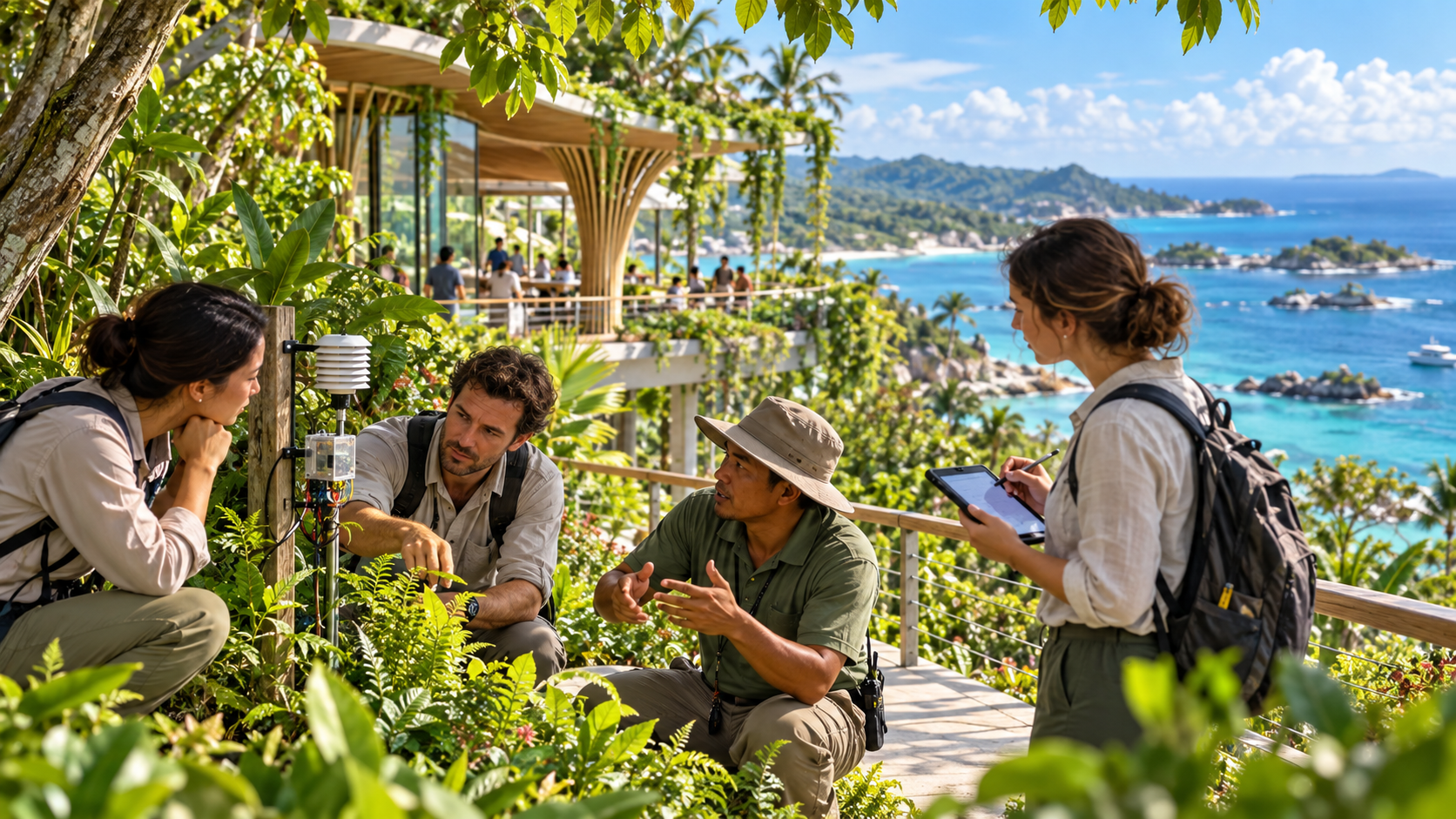
A scene that makes the process tangible
Consider an organization that needs to observe conditions in a space in order to maintain it. Before designing a device, it is necessary to understand what should be measured, where it would be installed, who would interpret the information, and which decisions would depend on it.
A research team can formulate alternatives; design and engineering specialists can turn them into a prototype proposal; and the organization can assess whether that proposal supports its activity. Actual use requires the integration, maintenance, and operating conditions to be defined.
A question that can be investigated
A broad need—for example, improving how a space operates—must become a question that can be examined. Which part of the activity is difficult? What information would help explain it? What limits of the environment must every alternative respect? Formulating these questions is a shared responsibility.
Research can bring together observation, specialized knowledge, and tests suited to the case. An engineering proposal then describes what it intends to do and the conditions it needs. The receiving team can review both its usefulness and the open questions before deciding whether it should move to another stage.
The people who make the work possible
Researchers, engineers, designers, and specialists familiar with the setting where a solution will be used can bring different questions to a proposal. People who know the activity help distinguish a real need; those developing a solution examine alternatives; and those reviewing its results offer judgment about what should change before work continues.
A contribution grounded in context
Research needs to preserve the path it has taken: questions, alternatives, observations, and the limits of a test. This continuity allows other disciplines to examine a proposal and helps an organization understand what is defined and what needs further development.
GALANA contributes engineering and design proposals. Other organizations may take part in implementation or distribution according to their agreements and the capabilities verified for each case.